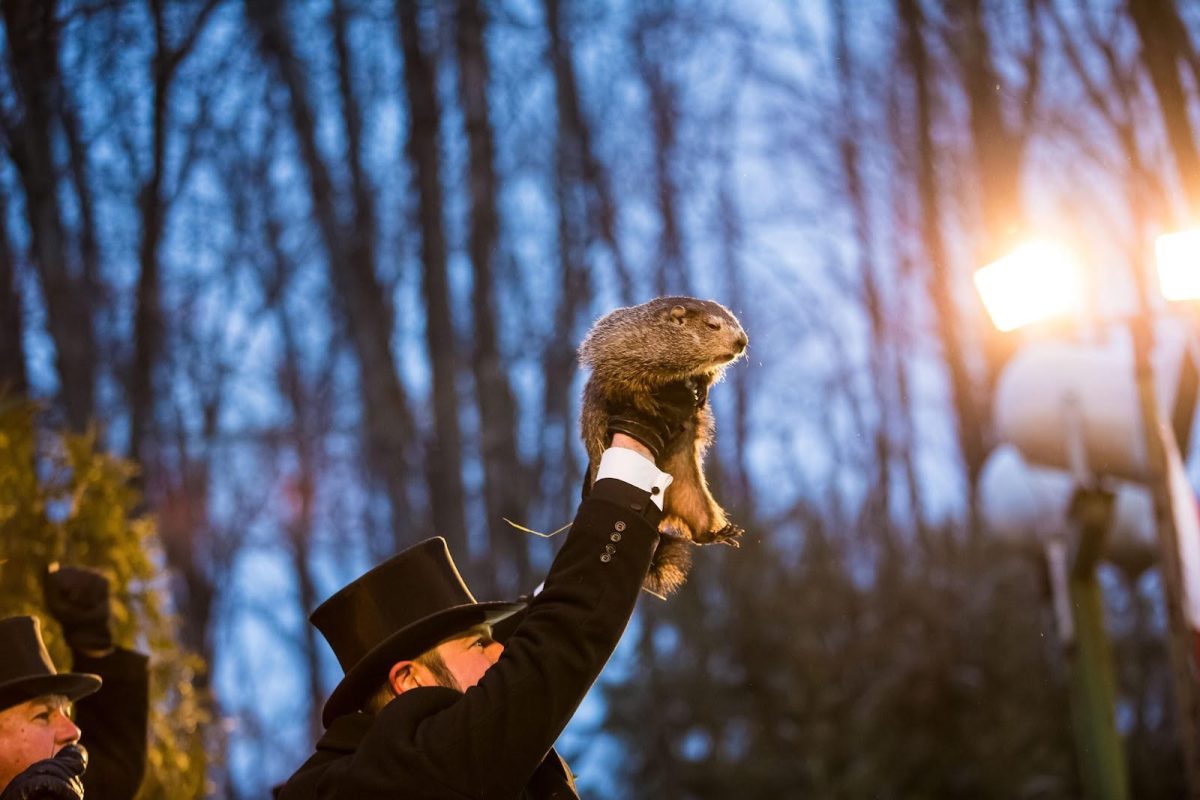
Winter 2026 has not lived up to what many people expected. Even though Punxsutawney Phil predicted six more weeks of winter on Groundhog Day, much of the United States has experienced warmer and drier weather than usual.
Groundhog Day is a tradition that dates back to the late 1800s and is meant to predict how long winter will last. This year, Phil saw his shadow as he emerged from his burrow, signaling that winter should continue for about six more weeks. However, weather patterns across the country have told a very different story.
According to the National Centers for Environmental Information, this winter has been unusually warm. Denver has yet to receive any measurable snowfall, marking the second-latest first snowfall in the city’s history. So far in 2026, major U.S. cities have recorded 171 record-high temperatures, compared to only 41 record lows.
Just a few years ago, the winter of 2023–2024 became the warmest winter ever recorded in the United States over the past 130 years. From December through February, average temperatures reached 37 degrees Fahrenheit. The coldest winter on record occurred in 1971, when temperatures dropped as low as -80 degrees Fahrenheit.
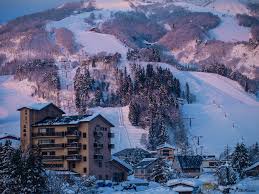
The lack of snowfall has caused several ski resorts in Colorado to delay opening or close portions of their trails. “It’s unfortunate that the tops of the trails are closed off. The tops of the mountains are the best part,” said Diesel Hays. Many skiers and snowboarders have expressed frustration with the limited conditions. Powderhorn Mountain delayed its opening day due to poor weather, while Beaver Creek also postpon
ed its opening after a warm start to the season. “I hope it starts dumping snow soon so people can have fun on the slopes again,” said Diesel. Although Arapahoe Basin opened in late October, resorts such as Aspen, Breckenridge, and Copper did not open until early to mid-November.
The warm winter has also hurt towns that rely heavily on ski tourism. In Vail, snowfall in the Rockies from the start of ski season through January was about 60 percent below the 30-year average. As a result, visitor numbers dropped by roughly 20 percent, affecting local restaurants and businesses. Some businesses are now struggling to remain open due to the slow ski season.
Although Groundhog Day predicted a longer winter, the reality has been far different. Unusually warm temperatures and limited snowfall have delayed ski seasons, reduced tourism, and ongoing economic challenges for mountain communities that depend on winter weather each year. This winter 2026 season is on its way to becoming one of the warmest in U.S. history.