President Nicolas Maduro was captured in his home in Venezuela by U.S. forces on the night of Jan. 3, 2026. The U.S. decided to close all international travel to and from to secure the border, and maintain national safety. He and his wife were kidnapped in their sleep and transported into the U.S. on the morning of Jan. 4, 2026, Venezuelans and Americans celebrated the end of a harrowing dictatorship, but didn’t know the implications that followed.
Placed on trial in the federal courts, Maduro and his wife denied the allegations of misconduct. They argued with the U.S courts about the conspiracies against Venezuela to manufacture a crisis in the country.
“He was suspected of having a hand in narcoterrorism, conspiracy to import cocaine, possession of machine guns, economic mismanagement, and human rights violations,” reporters told BBC News.
Putting Maduro behind bars meant great things for the Americans and Venezuelans: regional stability, lower oil and gas prices, curbing the drug trafficking, and differing U.S. public opinions. While the joyous celebrations filled the streets of Venezuela and America, civilians still face uncertainty in the awaited trial. Many feel anger towards the government, while others sit and wonder what happens next.
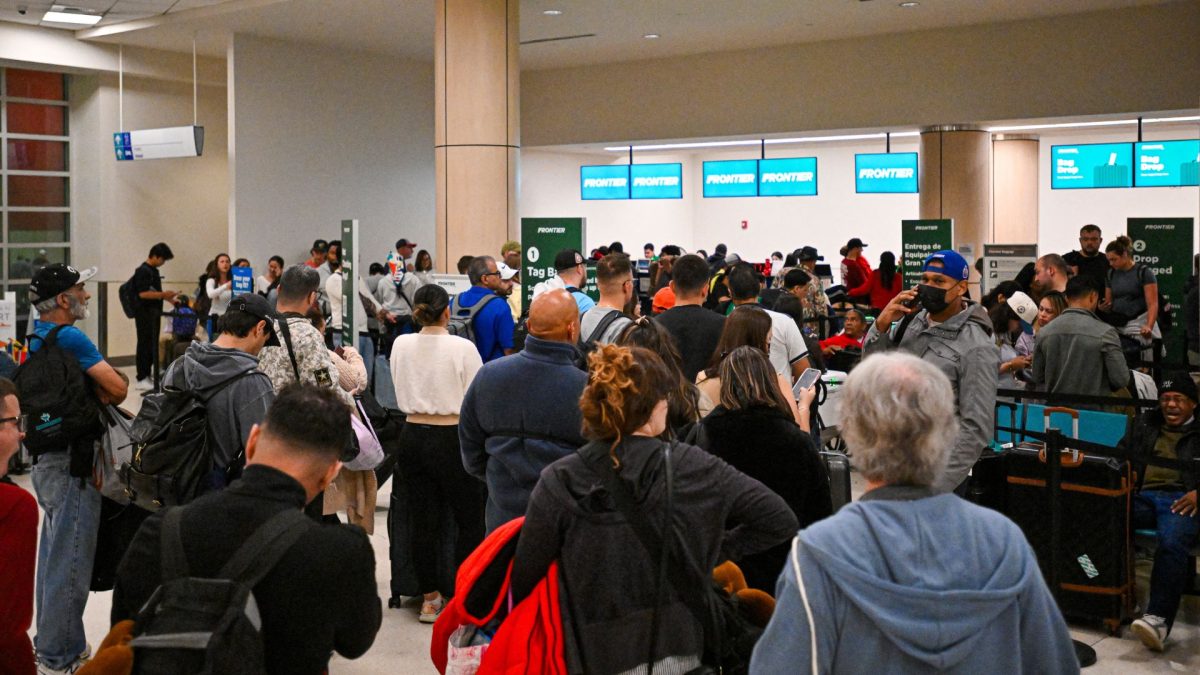
After the capture of Maduro, Venezuela-related closures persisted in the Caribbean, stranding American travelers without a way home.
“Travelers experienced mass cancellations of flights due to the restrictions on U.S. airspace for travel between the Caribbean and neighboring countries…as well as extended stay costs, rebooking nightmares, health and medication issues, and absence from work and school,” the U.S. Embassy in Venezuela published. Creating chaos in an area where travelers were stranded in airports, alone in hotels, and limited ways to contact home.
As the trial continued, “The FAA issued a so-called notice to airmen (NOTAM) to airlines early Saturday that it was banning flights from entering the Eastern Caribbean airspace ‘due to safety-of-flight risk associated with ongoing military activity’,” Han, an anchorman reporter, told ABC News in a video.
The major U.S. carriers like Southwest, JetBlue, United, Delta, and American Airlines cancelled thousands of flights to appease the travel ban. It impacted most of the Caribbean, with restrictions in the Eastern Caribbean islands, Puerto Rico, Aruba, and the existing restrictions in Venezuela and Cuba. But since the ban was lifted Jan. 4-5, airlines are scrambling to accommodate customers.
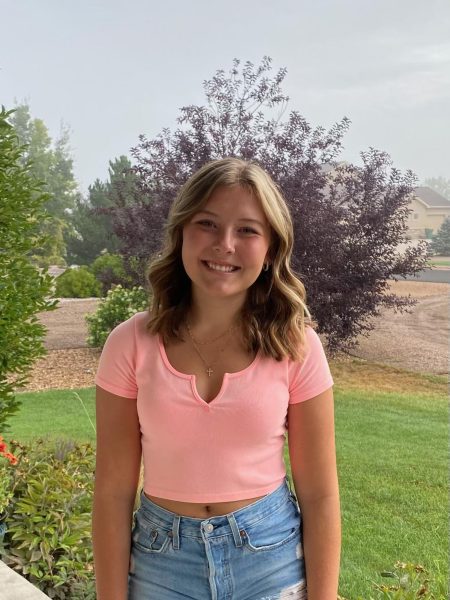
Aleena Griffin, a Spanish teacher at Eaton High School, went on a trip to Puerto Rico with her husband over Christmas break. They visited the Dominican Republic first, before seeing San Juan and staying in Luquillo; the town her father spent his childhood in. Due to the travel restrictions, she was not able to come back to the U.S in time for class to resume on Jan. 6, 2026; she wasn’t able to make it home until that Saturday.
Griffin said, “I think the biggest worry initially was, will we be able to find a place to stay? Then, how long will we be here? And then it was the biggest worry, not being here for you guys.” Griffin and her husband were supposed to leave Puerto Rico on Jan. 3, but with the travel ban they didn’t get home until Jan. 9, almost an entire week later.
“It’s a new semester. I have new students in Spanish, ones that I’ve never met. I just wanted to be here for the first week of school, so I was very excited to get to come home,” Griffin said. She was enthusiastic to see her students, and tell them her stories of her international travels.
Maduro’s trial has not been concluded, but what reporters do know is, “That he now faces a possible life sentence while his country contends with an uncertain future. In the meantime, Maduro’s vice president, Delcy Rodríguez, has been sworn in as interim president,” the Council on Foreign Relations wrote.
Maduro has pleaded not guilty to narco-terrorism charges and will appear in court next on Mar. 17, 2026, for his impending trial.