The sound of hammers ringing would echo in Eaton High School’s hallways. Students grew used to passing scaffolding and detours as new walls rose where old ones had been torn down. The school was being rebuilt-physically, but also psychologically. The world outside was still reeling from COVID-19, and the fragmentation that followed seeped into every classroom, every conversation, every quiet corner where connection had been second nature.
When Principal Jessica Grable started implementing intentional culture five years ago, she inherited a community that was learning to rebuild itself. In a tumultuous era, Grable’s philosophies became paramount.
“I think if you are not being intentional about creating culture, it occurs by accident,” Grable said.
From day one, she had a purpose in mind: Eaton High would be rebuilt on purpose-brick by brick, relationship by relationship.
A Foundation of Safety and Trust
It started with redefining what safety felt like. Safety for Grable wasn’t just about locked doors and ID badges-it had to include the more intangible layers that make a community work: psychological and social safety.
“Physical, psychological, and social safety is always our number one priority,” she explained. “In the trials and struggles of adolescence, students must feel like they have adults in their corner who see them.”
This philosophy informed the school’s direction. From hall monitors to teachers to administrators, all positions became part of a web of care. The message was simple: before the student can learn, he or she must feel safe.
This was based on the philosophy of Maslow’s Hierarchy of Needs-the concept that belonging and safety should precede growth and accomplishment. For Eaton, what that meant was daily routines aimed at reminding students they are important.
Capturing Kids’ Hearts
One of the foundations of Eaton’s cultural change came in the form of the Capturing Kids’ Hearts program, a framework that is rooted in empathy, communication, and relational trust. Teachers begin their days at the doors of their classrooms, calling children by name and with intention.
A small ritual started to become something more.
“Kids have started saying good morning first to me,” Grable said, smiling. “And when I’m gone a couple of days, they mention it. That tells me that something is working.”
Those two little words-good morning-have become the pulse of Eaton High. They are the marker of an unwritten agreement that respect is a two-way street, that being there matters, and that community is built not by grand gestures, but by tiny ones.
Grable suggests that the change wasn’t about compliance or control, but about connection. “Capturing Kids’ Hearts” taught everyone that behind every academic goal stood a human one-to make sure every child felt seen and valued.
Leading Through People
In her five-year stint as principal, Grable’s leadership has come to be defined by one core philosophy:
“I impact the staff that impact the kids.”
To her, leadership is not being at the top-but in the middle, bridging teachers and students, structure and soul. She stresses the fundamentals, not just in academics but in attitude.
“Every adult in this building sets the tone,” she said. “If teachers feel valued and supported, that ripples outward.”
The culture shift manifests in staff meetings and professional development workshops centered on relationships, not on checklists. Teachers learn how to collaborate, be open to risk-taking, and look at their own emotional well-being-knowing that the students mirror the energy of the adults surrounding them.
The Willingness to Grow and Take Risks
Eaton’s not a culture of perfection, but progression. Grable was quick to acknowledge that development isn’t always easy. The building years, the pandemic pivots, and the shifting expectations all demanded grit-to students and staff.
“By the trials and failures of childhood,” she said, “our job isn’t to not fail-it’s to help students know they can recover from it.”
In the hallways, that ethos is expressed in small ways. Student leaders emerging, new clubs sprouting up, classroom discussion that allows for imperfection and conflict. There is permission granting culture to try things out, permission to fail, permission to begin again.
Teachers also have embraced that culture of risk. Whether experimenting with new lesson plans or simply learning to hear in new ways, the staff shows the same sense of wonder it hopes to inspire in students. Eaton High is now a place where learning is no longer calibrated on grades alone, but on courage.
The Testament to Change
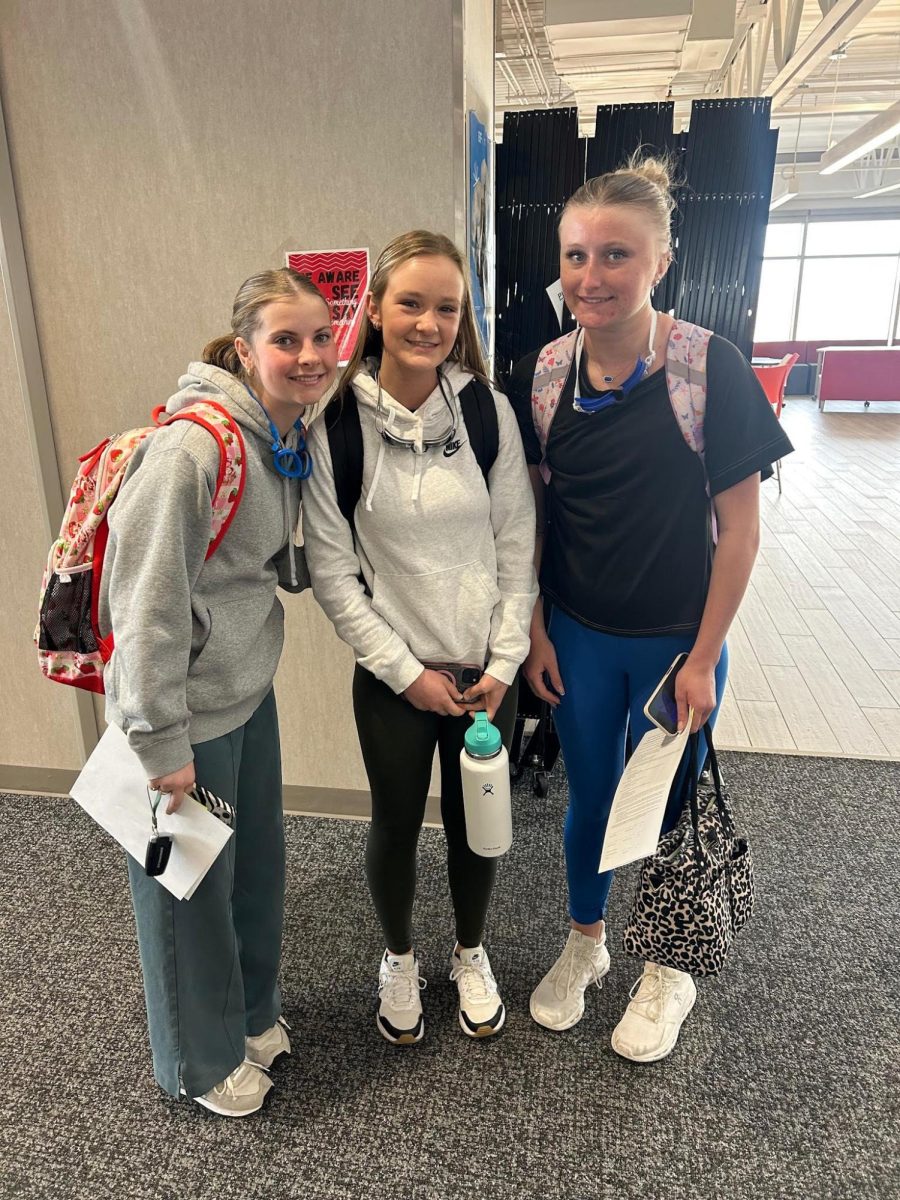
Five years later, the clang of construction has been stilled by the gentle rhythm of a lively school of relationship. Walk through Eaton High today and observe the difference: the morning chatter before first bell, the administrators in the doorway greeting students, the cooperative laughter at assemblies, the gentle kindnesses shared between peers.
“Culture is not something you can hang on a wall,” Grable said. “It’s something that you feel in the hallway.”
Those hallways, once filled with plastic sheets and sawdust, now hum with a sense of warmth that cannot be measured on a blue print. The change is not simply observed-it is felt. Students who once drifted through their days now stop to talk, to greet, to keep up. Teachers notice. And so does Grable.
“When kids say good morning first,” she said, “then you know that something real has shifted.”
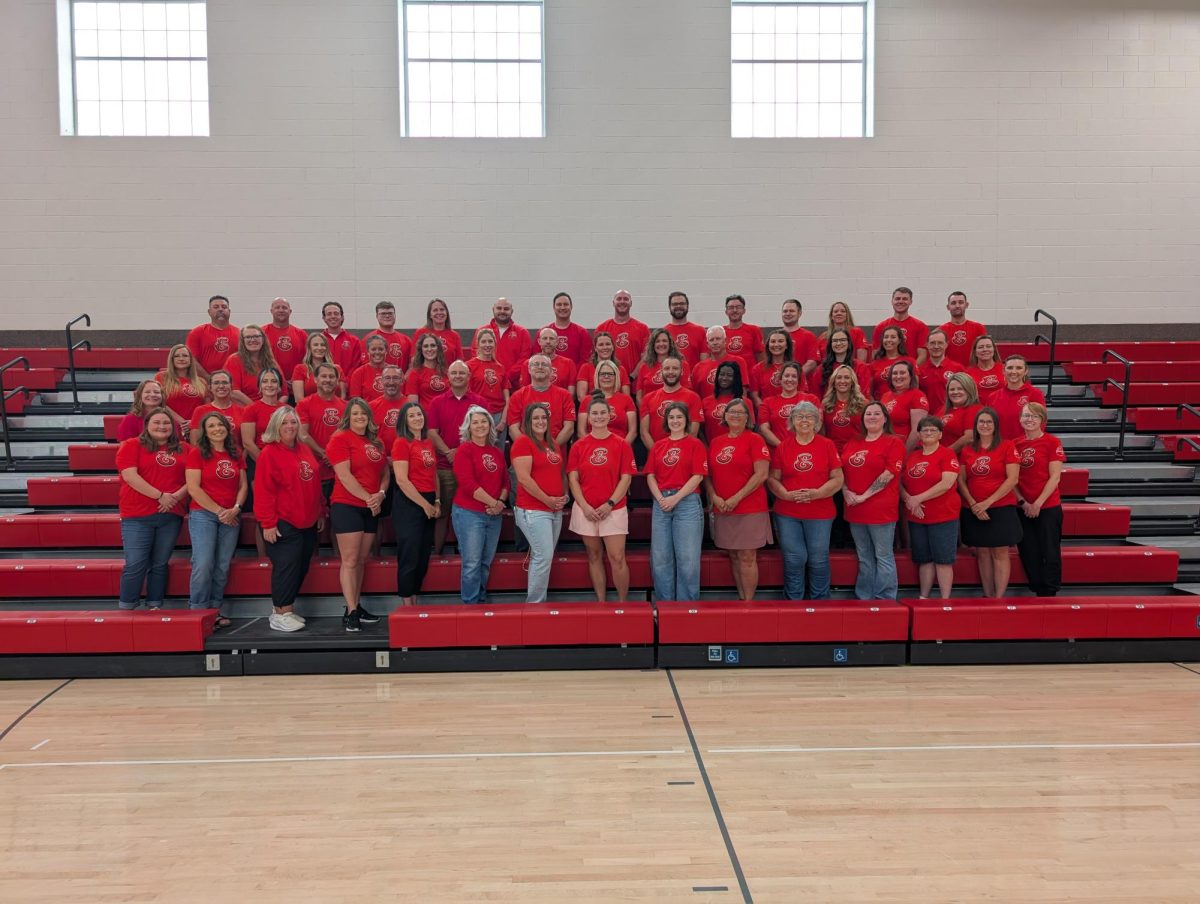
Her leadership has transformed Eaton beyond a school-it’s a community built on purpose. A place where the complexities of adolescence are met with empathy, where learning is celebrated, and where safety means whole, whole lots more than closed doors.
A Culture That Keeps Growing
The legacy of Grable’s five years isn’t measured in test scores or graduation rates-it’s measured in the unspoken relationships between students and staff, in the trust that seeps through the building like light through the windows. Eaton’s culture wasn’t built overnight; it was built in small, significant moments, one conversation at a time.
There’s still some work to be done, naturally. Culture, like building, is never complete. But as Eaton High continues to change, one constant remains: the foundation is solid.
“If you’re not being intentional about building culture,” Grable said again, “it becomes an accident. And we’ve worked too hard to make it an accident.”
The hammers have left now, but the building never stopped expanding. Each good morning, each risk shared, each teacher who comes with open eyes and open hands lays a brick upon the heart of Eaton High-space that exists not just for learning, but for belonging, for strength, and for meaning.